How to Prepare Your Dog for First Grooming: Step-by-Step Guide
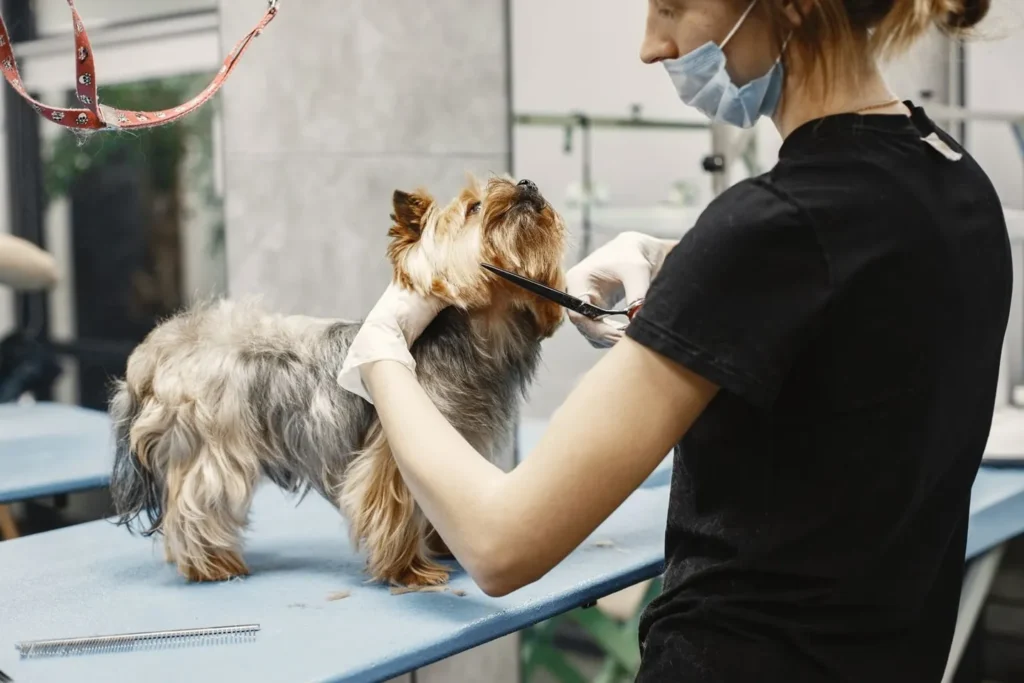
Practise paws, ears and brushing at home, then book a short intro rather than a full restyle. How to prepare your dog for first grooming is handling plus an honest note that they have never been on a table. After vaccinations, that first visit should end while they are still coping. Updated 8 September 2026.
This page is the home-prep spoke. Timing and vaccines: when to take puppy to groomer first time. Day-of timeline: what to expect first time. Hub: puppy grooming.
Why preparation matters
Dogs who are used to being handled and to mild grooming sounds are less likely to freeze at the salon. Groomers can work more safely, and your dog is more likely to leave with a calm memory instead of a panic story.
Prep is handling, not a last-minute brush that yanks mats. Touch paws, ears and the collar line every day this week so the table is not the first time. If they have never heard a dryer, play a clip at low volume while they eat. Don’t book a full teddy restyle as appointment one.
So tell the groomer what you have practised; they can skip the bits that will blow the session. Ten quiet minutes on the kitchen floor beats a three-hour “get it over with” table that writes fear into the next year. First visits fail when the dog has never had paws held at home.
Step 1: Handling practice
Groomers need to touch your dog’s paws, ears, tail, belly and face. Practice at home so your dog accepts this without fear or aggression.
- Paws: gently hold each paw, touch the pads, and simulate nail trimming with a small file or just handling. Reward with treats.
- Ears: lift ear flaps and look inside; touch around the base. Do this briefly and reward.
- Tail: touch and hold the tail gently; some groomers need to lift or move it.
- Belly and legs: run your hands along the belly and down the legs as if brushing or clipping.
Keep sessions to 1–2 minutes and stop if your dog shows stress. Build up gradually over days or weeks. Two-minute kitchen-floor sessions this week matter more than a perfect finish on day one.
Step 2: Brushing and combing
If your dog is used to being brushed at home, the groomer’s brush-out will be less of a shock. Start with a soft brush and short sessions; use treats and praise. For breeds that mat, introduce a comb and work through small sections. For more on coat care, see dog matting.
Start at the back end, not the face. Three strokes, treat, stop. If the comb snags, you’re already late for a professional reset and this is not the week to “get them used to it” with a yank. Keep it easy so the salon isn’t the first place they meet a comb.
Step 3: Introduce grooming sounds
Clippers and dryers can be scary if your dog has never heard them. You can:
- Turn on clippers or a hair dryer in another room at low volume while your dog eats or plays
- Gradually bring the sound closer and reward calm behaviour
- Use an electric toothbrush on the coat (off) to mimic vibration
Never force your dog to stay close to a loud sound; keep it positive and gradual. Play clipper and dryer audio at a volume they ignore while eating. Increase later. A full blast next to the crate the night before is flooding. You want boredom. Bored dogs cope. Shocked dogs don’t.
Step 4: Short “stand on a surface” practice
Groomers work with dogs on a table. If your dog is comfortable standing on a low, stable surface for a few minutes while you touch them and give treats, they will find the grooming table less strange.
A non-slip mat on a washing machine or low table for ten seconds is enough. Pay them for four paws staying put. Don’t restrain a wriggle into a fight. Always keep them safe and secure; use a lead or harness if needed. The salon table shouldn’t be the first slick surface they’ve ever stood on.
Build to 30–60 seconds over a few days if they’ll allow it. Stop while they’re still winning. You’re teaching “stand and get paid,” not “endure until you panic.”
Step 5: Choose the right first appointment
Book a puppy orientation or first-time groom rather than a full style. Tell the salon it’s your dog’s first time and mention any fears (e.g. loud noises, having paws touched). For what actually happens on the day, see what to expect first time at the dog groomer.
| Preparation | Why it helps |
|---|---|
| Handling paws, ears, tail | Groomer can trim nails and clean ears without stress |
| Regular brushing | Coat is easier to work with; less tugging and discomfort |
| Sound desensitisation | Clippers and dryer are less frightening |
| Standing on a surface | Prepares for the grooming table |
If they freeze at the clipper buzz on your phone, book an intro with no blades. Don’t skip breakfast then expect a calm table. Say it is a first groom when you book; a good room will shorten the job on purpose.
Ready to book?
Find a groomer who offers puppy or first-time introductions and positive, patient handling.
Prep at home, then book somewhere that will pause the clippers. Browse Melbourne and Putney profiles like Monte & Co, Talk of The Tail Dog Grooming, Circle of Fluff Dog Grooming.
Frequently Asked Questions
How do I prepare my puppy for grooming at home?
Get them used to paws, ears and a brush on the kitchen floor. Keep sessions short and stop while they’re still coping.
Should I brush out mats before the first visit?
Don’t yank mats at home. Note them for the groomer. Water and force can make knots worse; a professional can assess safely.
What if my dog has never heard a dryer?
Play low-volume dryer or clipper audio while they eat for a few days. Ask whether a no-blade intro is on the menu if they still panic.
Sources: See also RSPCA Australia for baseline Australian guidance.
By Dog Grooming Australia Team
Looking for local businesses?
Browse verified listings across Australia with current hours, reviews and contact details.
Related guides
Need a local listing?
Browse verified businesses in our directory or read more guides on the blog.
Find groomers All guides