Dog Matting: Why Groomers Shave Matted Dogs and How to Prevent It
If the comb already stops at the skin, severe dog matting hurts and traps moisture, so groomers often shave rather than brush out tight knots. So the “humanity over vanity” rule means a shorter welfare clip beats hours of painful dematting. Prevent mats with regular brushing between professional grooms.
If you’ve picked up your dog and found them shaved when you expected length, you’re not alone. When mats are tight to the skin, shaving is often the only safe option.
What is matting?
Matting occurs when loose, dead hair tangles with live hair and forms tight knots close to the skin. These knots become progressively tighter over time, pulling on the skin and creating painful pressure points.
Where matting happens:
- Behind the ears – Friction from collars and movement
- Armpits – Rubbing from leg movement
- Under the tail – Friction from sitting and movement
- Belly – Rubbing against the ground when lying down
- Legs – Especially the “feathers” on long-haired breeds
- Chest – Where the collar or harness sits
According to the RSPCA Australia, matting is a health problem that can cause pain, skin infections, and restricted movement.
Why groomers shave matted dogs
The grooming industry uses a rule called “humanity over vanity” – meaning a dog’s comfort and safety always come before their appearance. Here’s why shaving is necessary:
| Why brushing doesn’t work | What happens |
|---|---|
| Mats pull on skin | Brushing pulls the skin, causing severe pain |
| Risk of cutting skin | Mats are so tight that clippers can’t get between mat and skin safely |
| Skin damage | Pulling mats can tear the skin, causing open wounds |
| Time consuming | Severe matting can take hours to brush out (if possible at all) |
| Trapped moisture | Mats trap moisture and bacteria, leading to infections |
The shaving process:
- Groomers use a #10 or #7 blade (very short) to get under the mat
- The mat is shaved off in one piece, minimising pulling
- The process takes 30 – 60 minutes (vs 4–6 hours of painful brushing)
- Your dog can have minor nicks or irritation, but this is far less painful than brushing
If a groomer says they must shave, they’re usually choosing welfare over the photo you saved. Dematting and welfare clip-downs are part of a full groom when the coat is felted; see what is included in dog grooming. Argue after the dog is comfortable, not while they’re still on the table.
Health risks of severe matting
Severe matting causes serious health problems:
- Skin infections – Trapped moisture and bacteria lead to infections
- Hot spots – Irritated skin can develop into painful sores
- Restricted movement – Tight mats on legs or joints limit mobility
- Parasites – Fleas and ticks can hide under mats
- Pain – Constant pulling on the skin causes discomfort
- Circulation issues – Tight mats can restrict blood flow
According to the RSPCA Australia, severe matting can lead to medical complications requiring a vet.
Mats pull skin, hide sores, and turn a collar into a tourniquet. That’s welfare, not a cosmetic fail. A short clip can look shocking on pickup and still be the kind option. Owners who insist on “just brush it out” while the dog screams are asking for injury.
How to prevent matting
Prevention is always better than cure. Regular brushing plus a professional groom on a sensible schedule (see how long between dog grooms and how often to wash your dog) keeps most coats mat-free. Here’s how:
Brushing frequency by coat type
| Coat type | Brushing frequency | Tools needed |
|---|---|---|
| Wool/Oodle | Every 2–3 days | Slicker brush, comb |
| Long/Silky | Daily | Pin brush, comb |
| Double coat | 2 – 3 times per week | Undercoat rake, slicker brush |
| Curly | Every 2–3 days | Slicker brush, comb |
How to brush properly
Step 1: Start with a slicker brush
- Brush in the direction of hair growth
- Work in small sections, starting at the skin and brushing outward
- Pay attention to high-friction areas (behind ears, armpits, under tail)
Step 2: Use a comb to check
- After brushing, run a comb through the coat
- If the comb gets stuck, there’s still a mat, so go back with the brush
- The comb should glide smoothly through the entire coat
Step 3: Use detangling spray if needed
- Spray a pet-safe detangling spray on tough areas
- Work the spray into the coat with your fingers
- Brush gently to remove tangles
Where to focus your brushing
Spend extra time brushing these areas:
- Behind the ears – Brush daily, as this area mats quickly
- Armpits – Lift the leg and brush thoroughly
- Under the tail – Check and brush after each bathroom break
- Belly – Brush when your dog is lying on their back
- Leg feathers – Long hair on legs tangles easily
What to do if your dog is already matted
When you discover mats in your dog’s coat:
- Don’t try to brush them out if they’re tight to the skin. That causes pain and can tear skin.
- Book a grooming appointment – Groomers have the tools to safely remove mats
- Be prepared for shaving – If mats are severe, your groomer will need to shave them
- Expect extra costs – Dematting fees range from $15-$30 per 15 minutes of work
- Be patient – Hair will grow back, usually within 2–3 months
When your dog is severely matted and you can’t afford a groomer, contact your local RSPCA for guidance.
The cost of matting
Preventing matting is much cheaper than treating it:
| Service | Cost |
|---|---|
| Regular groom (no matting) | $70 – $140 |
| Dematting fee (per 15 min) | $15 – $30 |
| Severe matting (shave required) | $100 – $200+ |
| Vet treatment (if infected) | $200 – $500+ |
Regular brushing at home costs nothing and prevents these expensive problems.
Demat blocks at $15–$30 per 15 minutes add up faster than a 5-week Cavoodle diary. A welfare shave may cost less than two hours of combing a felted coat. Budget the interval, not the rescue. That’s the only way the invoice stays boring.
Tools for preventing mats
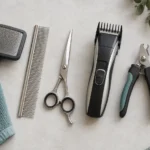
Invest in quality grooming tools:
- Slicker brush – Main tool for removing tangles ($15-$30)
- Metal comb – Use to check for remaining tangles ($10-$20)
- Undercoat rake – For double-coated breeds ($15-$25)
- Detangling spray – Helps with tough tangles ($10-$20)
- Pin brush – For long, silky coats ($15-$30)
Total investment: $50-$100 for tools that will last years and save you hundreds in dematting fees.
To find a dog groomer near you who can help you establish a brushing routine or safely remove existing mats, browse our verified directory.
Ready to book?
When your dog is matted, don’t wait. Book a professional groom to remove mats safely and prevent skin problems.
Severe mats need a welfare clip, not a wash-bay brush. Book assessment via Melbourne or Sydney with Furever Grooming, Talk of The Tail Dog Grooming, Circle of Fluff Dog Grooming and send coat photos before the day.
Frequently Asked Questions
Should a matted dog be shaved or brushed out?
Tight, close-to-skin mats are usually clipped off for the dog’s comfort and safety. Brushing out severe mats is painful and can damage the skin.
How do I stop my dog matting between grooms?
Brush right down to the skin on a schedule that suits the coat, focusing on friction areas like behind the ears, the armpits and the back legs.
Is a matted coat a welfare issue?
Yes. Severe matting traps moisture, hides skin problems and pulls on the skin, so groomers prioritise removing mats safely over keeping length.
By Dog Grooming Australia Team
Looking for local businesses?
Browse verified listings across Australia with current hours, reviews and contact details.
Related guides


Need a local listing?
Browse verified businesses in our directory or read more guides on the blog.
Find groomers All guides