Senior Dog Grooming Australia: Gentle Care for Older Dogs
Senior dog grooming Australia appointments focus on comfort, stability, and hygiene rather than show-ring perfection. As dogs reach their senior years, stiff joints, cloudy eyesight, thin skin, and heart conditions make standard grooming routines exhausting. Professional groomers adjust their equipment, pace, and handling so an elderly dog doesn’t suffer pain on the table.
When you book senior dog grooming Australia care, communication with your groomer is essential. A senior dog can’t stand for two hours while a stylist scissors a fancy topknot. Browse compassionate salon and mobile providers on our dog groomers directory, or check our comparison of mobile dog grooming vs salon grooming to decide which setting suits your pet’s stamina.
How aging changes a dog’s coat and skin
Older dogs undergo significant physical changes that affect grooming. Skin loses elasticity and thins, making it much more vulnerable to clipper burn, razor scrape, and drying irritation. Many seniors develop benign skin tags, warts, fatty lipomas, and sebaceous cysts that catch on clipper blades if the groomer moves too fast.
Coat texture often becomes brittle, patchy, or prone to rapid tangling around the hips, groin, and elbow calluses where the dog rests. Metabolic conditions like hypothyroidism or Cushing’s disease also alter coat thickness. If your dog suffers from arthritis or cognitive decline, stress levels spike quickly during handling. Learn how to manage stress with our guide to anxious dogs at the groomer before you arrive.
Salon modifications for elderly and arthritic pets
Specialist groomers use specific physical adjustments to keep senior dogs comfortable and steady on their feet:
- Hydraulic and electric tables: Lowering the table to floor level lets large breeds walk straight on without being lifted or jarred.
- Anti-slip yoga mats: Placing textured rubber mats across stainless-steel hydrobaths and tables stops stiff arthritic legs from splaying out.
- Belly support slings: Wide, padded harnesses support the dog’s abdomen so they don’t carry their full body weight while paws are trimmed.
- Low-noise variable blowers: High-velocity forced-air blasters can frighten elderly dogs with hearing sensitivity or heart murmurs. Groomers use gentle hand-drying instead.
Guidance from welfare groups such as RSPCA Australia highlights that older companion animals require low-stress handling and frequent posture breaks during hygiene routines. If an arthritic dog needs to lie down halfway through clipping, a good stylist accommodates them.
Why cage dryers and heated drying cabinets are dangerous for seniors
Never permit an elderly dog to be placed in an enclosed heated drying cabinet. Older pets have diminished thermoregulation abilities, meaning they can overheat rapidly without showing obvious warning signs to salon staff working across the room.
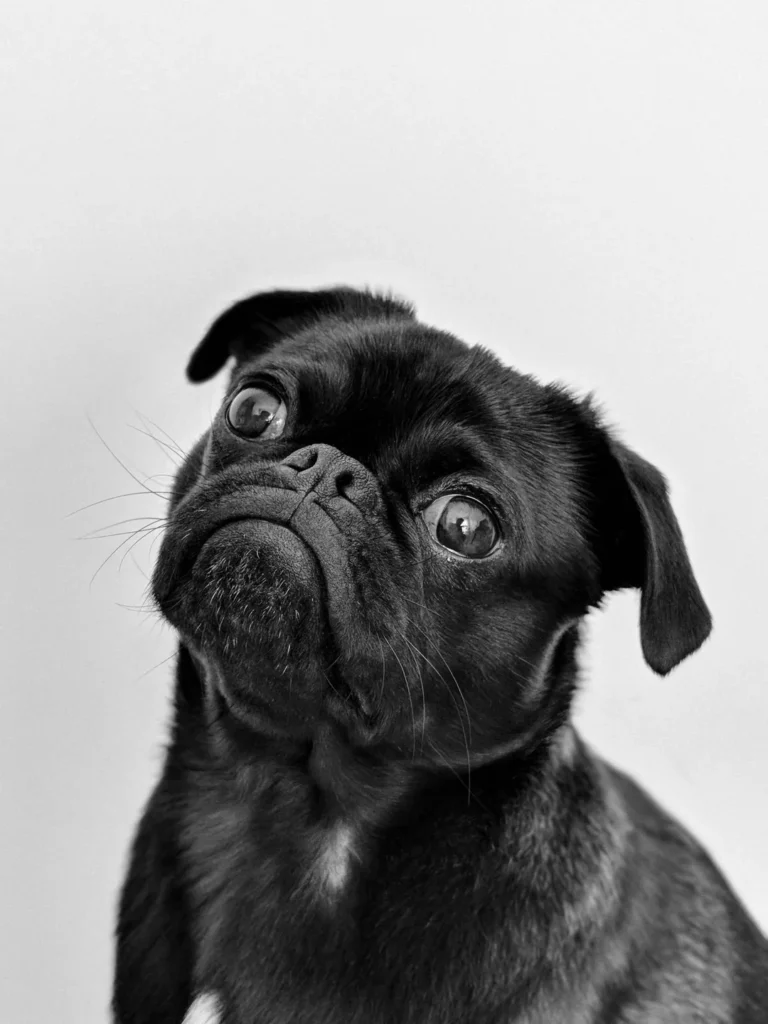
Brachycephalic seniors (such as Pugs, French Bulldogs, and Boxers) and dogs with diagnosed heart murmurs or collapsing tracheas are at severe risk in enclosed warm air. Dedicated groomers use cool-air diffusers or towel-dry older dogs thoroughly by hand to keep heart rates steady.
The comfort groom: Short clips for easier hygiene
Most vets and experienced groomers recommend transitioning aging pets to a practical “comfort clip”. A comfort clip involves trimming hair short around the rear hygiene areas, belly, armpits, and paws. This stops urine staining and prevents faeces from sticking to the coat if the dog has reduced mobility when squatting.
Keeping paw pad fur shaved short is equally vital for safety. Long tufts of hair between pads turn timber floors, tiles, and laminate into slippery ice sheets for arthritic dogs. Short pad fur gives their claws and pads maximum grip on slick surfaces at home.
Questions to ask your groomer before booking a senior dog
Before handing over your dog’s lead, ask the salon manager these practical vetting questions:
- Do you offer straight-through express appointments so my senior dog isn’t waiting in a holding crate?
- Can you work with my dog while they remain sitting or lying down on the table?
- Do you hand-dry senior dogs with cool air rather than using drying boxes?
- Are your staff trained to identify and work around raised skin tags and lipomas?
Senior dogs need quieter tables and shorter sessions. Shortlist on Melbourne and Sydney via Tiny Tails Retreat, Pupaganda, Shaggy Doo Mobile Dog Grooming and ask about lift tables and rest breaks.
Frequently Asked Questions
How often should a senior dog be groomed?
Most senior dogs do best with shorter, more frequent appointments every 6 to 8 weeks. Keeping the coat trimmed short reduces the need for lengthy, tiring brush sessions at home.
Is mobile grooming better than a salon for an older dog?
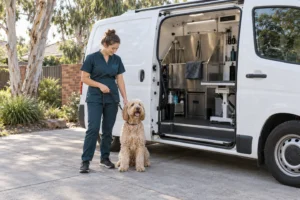
Mobile grooming is often ideal for seniors because it eliminates car travel and removes salon noise from other barking dogs. The groomer works on your driveway just metres from your front door.
What should I do if my elderly dog gets too stressed during a groom?
Instruct the groomer to stop immediately if your dog exhibits heavy panting, pale gums, or severe distress. Humane comfort always takes priority over finishing a tidy clip.
By Dog Grooming Australia Team. Last updated September 2026. About · Locations Directory
Looking for local businesses?
Browse verified listings across Australia with current hours, reviews and contact details.
Related guides
Need a local listing?
Browse verified businesses in our directory or read more guides on the blog.
Find groomers All guides