3-3-3 Rule for Dogs: Settling In Before Grooming
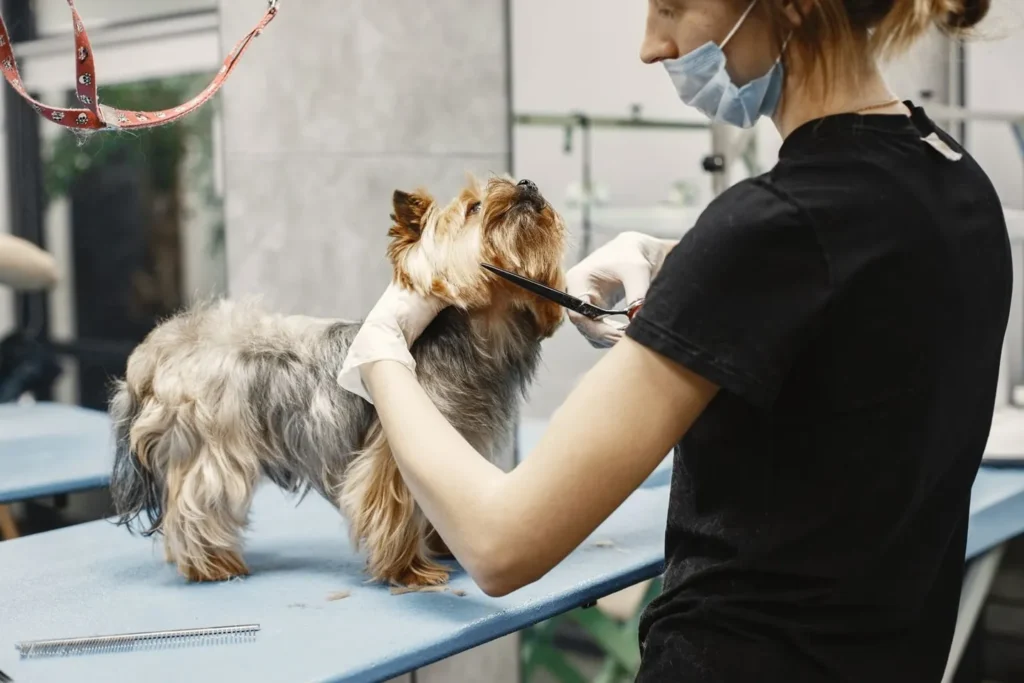
But most rescue dogs and many puppies fail their first groom for the same reason: they were booked too early. The 3-3-3 rule for dogs gives a rough timeline for settling into a new home. So pair it with a short consent check (often called the 7-second rule) and you cut the chance of a panicked first appointment.
Neither rule replaces a trainer or vet. They’re owner habits that stop you rushing a dog who still doesn’t feel safe.
The 3-3-3 rule: three settling stages
The 3-3-3 rule describes how long many dogs need after a house move or adoption. Exact timing varies by dog, but the stages are useful when deciding when to book a groomer.
- First 3 days: decompress. Sleep, toilet training, and quiet meals matter more than brushing. A full salon visit now often feels like another upheaval.
- First 3 weeks: learn the house. Routines settle. Start short handling at home: paws, ears, collar, a few brush strokes, then stop while the dog is still calm. Our puppy grooming guide covers those early sessions.
- First 3 months: feel at home. Most dogs can handle a new person and room by now. That’s the usual window for a first professional groom, especially for oodle coats that mat quickly.
The RSPCA Australia grooming advice stresses gentle, routine handling. In Australia a large share of dogs arrive via RSPCA shelters and rescue groups, so waiting out the first weeks before a busy salon day isn’t soft: it’s practical.
When the timeline should move
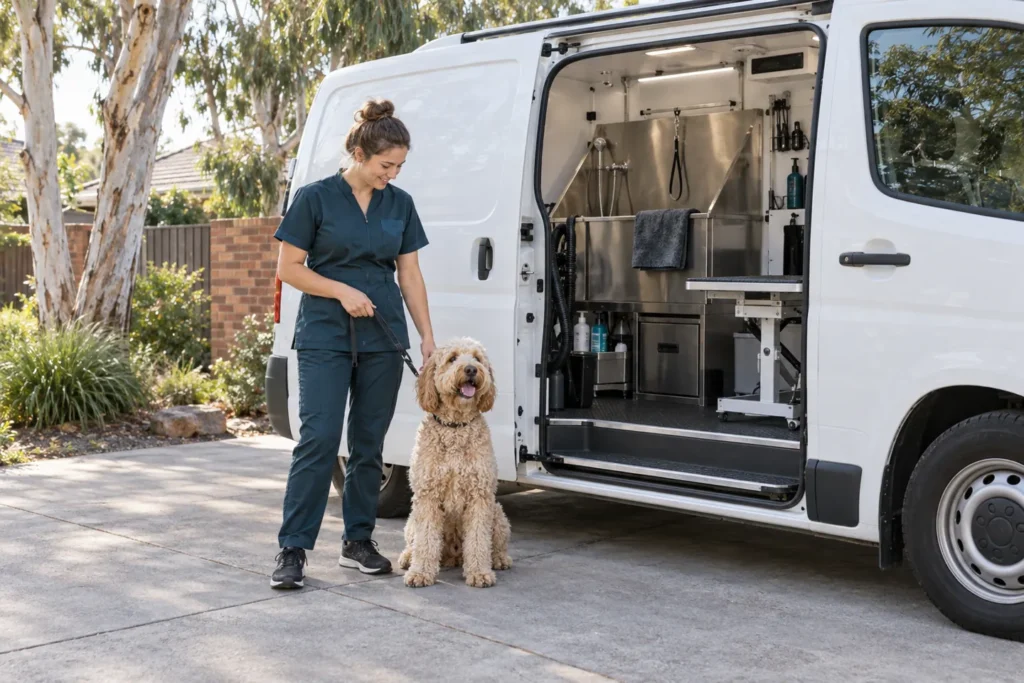
Book sooner if mats are pulling skin, faeces are trapped in coat, or a vet flags hygiene risk. Book later if the dog still freezes, growls when touched, or hasn’t slept through the night in the new house. Mobile groomers who work one dog at a time can be a gentler first step than a busy salon floor: start with our groomer directory and ask about slow introductions.
The 7-second consent check
The “hot pavement” 7-second test is unrelated. For grooming, use a short consent pause:
- Pet or handle the dog for a few seconds.
- Stop and take your hand away.
- Watch: lean-in or nudge means continue; turn-away or stiffen means stop.
Good groomers already do a version of this on meet-and-greet. At home, use it during brushing so the dog learns handling ends when they ask. For dogs who already panic in salons, read sedation and calmer alternatives before you assume drugs are the only option.
Why this cuts grooming anxiety
Dogs that get time to feel safe, then get a choice about contact, form fewer “groomer = trap” associations. That shows up as less thrashing on the table, fewer unfinished grooms, and less need for muzzles on routine baths.
If you already have a nervous dog, ask groomers about trial visits, shorter first sessions, and whether they’ll pause mid-groom. Patient mobile vans are often easier to exit than a salon with several dogs waiting. In Australian summers, also ask how the van is cooled between dogs so heat stress doesn’t stack on top of handling stress.
Looking for a patient groomer?
Filter by suburb, then ask about slow introductions or one-on-one mobile appointments for rescues and puppies.
Frequently Asked Questions
What is the 3-3-3 rule for a new dog?
Roughly three days to decompress, three weeks to learn the household rhythm, and three months to feel properly at home. Use it as a guide for when a full first groom is fair: not as a hard calendar.
Should I force a nervous dog to be handled during grooming?
No. Short handling with pauses teaches the dog that saying “enough” works. Forcing through panic usually makes the next visit worse.
How do I find a patient groomer for a nervous dog?
Use the directory, then call and ask about meet-and-greets, one-dog vans, and whether they’ll stop if the dog shuts down.
By Dog Grooming Australia Team
Looking for local businesses?
Browse verified listings across Australia with current hours, reviews and contact details.
Related guides



Need a local listing?
Browse verified businesses in our directory or read more guides on the blog.
Find groomers All guides