Why Is Dog Grooming Important? Health, Comfort, and Welfare
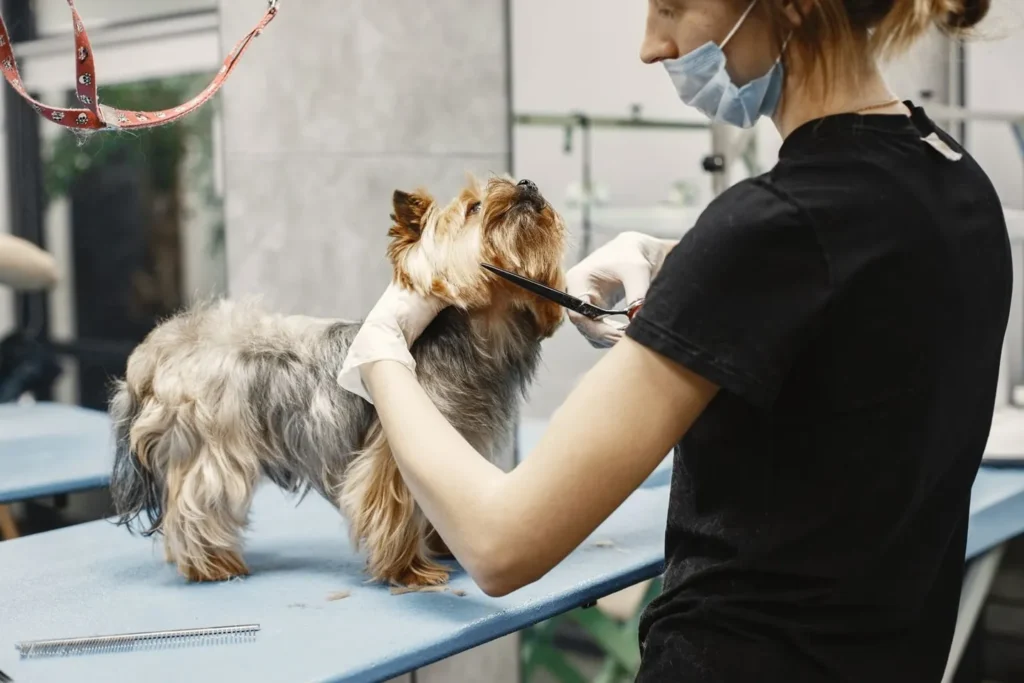
Grooming keeps skin and coat healthy, prevents painful mats, and catches nail, ear and lump problems early. Why is dog grooming important is welfare, not vanity. A neglected coat traps moisture and costs more to fix than a regular clip.
Some owners treat grooming as optional until odour or knots show up. By then the dog may already have inflamed skin or restricted movement. Here’s the health case for staying on schedule.
Skin and coat: where problems start
Hair that tangles holds moisture, saliva, and debris against the skin. That environment suits yeast and bacteria. Common outcomes of neglected coats include:
- Hot spots and moist dermatitis under mats
- Fly strike risk in extreme cases (more common in rural Australia with long wool coats)
- Grass seed penetration hidden under dense fur
- Parasites (fleas, ticks) harder to spot during cuddles
The RSPCA Australia advises grooming tailored to coat type and checking skin regularly. Professional grooms plus home brushing deliver that check.
Nails, ears, and teeth-adjacent care
| Area | Why grooming matters |
|---|---|
| Nails | Overlong nails alter gait and can cause joint strain or splayed toes |
| Ears | Floppy or hairy ears trap wax; cleaning during grooms reduces infection risk |
| Sanitary trim | Hygiene clipping prevents urine and faecal soiling on long belly hair |
| Eye area | Hair rubbing corneas causes weeping and staining; trim improves comfort and vision |
Nail care details are in dog nail clipping. Sanitary work is explained in what is a sanitary trim.
Long nails change how a dog stands. Hairy ears trap moisture. A groomer isn’t a dentist, but they’ll see gunk you’d miss. Skipping grooms to “save money” often moves the spend to a vet. That’s not a moral lecture. It’s the usual invoice path.
Heat, sun, and Australian seasons
Long or dark coats absorb heat. That does not mean every dog should be shaved short (double-coated breeds need careful handling), but managed length and brush-out matter in summer. Dogs still need coat protection from sunburn on pink skin.
After beach trips, river swims, or bushwalks, rinse and dry thoroughly. Damp coat against skin mats within days. Seasonal tips are in dog grooming summer coat care.
Packed undercoat in a Perth summer is miserable. A shaved double coat in the same summer is a different misery: sunburn. Sanitary tidies and desheds are the heat tools that don’t wreck insulation. Grass seeds in NSW and VIC spring are the other seasonal job. Check feet.
Early detection during grooms
Good groomers handle the whole body and notice changes owners miss:
- New lumps or skin tags
- Weight change or prominent spine/hips
- Sore joints when lifting legs
- Ear odour or discharge
- Fleas, ticks, or flea dirt
Groomers are not vets, but they flag issues for follow-up. That alone can justify regular appointments even when the coat looks fine from a distance.
Lumps, ticks, and hotspots show up when someone actually looks at skin. That’s a side effect of a good groom, not a diagnosis. Take their note to a vet. Don’t crowd-source a lump in a Facebook group because the groomer mentioned it.
Behaviour and quality of life
Matted coats hurt when brushed or touched. Dogs can snap, hide, or resist handling, which strains the human-animal bond. Predictable, low-stress grooming keeps handling normal. Anxious dogs still need coat care; the method changes (mobile, shorter visits, fear-free handling). See fear free dog grooming explained and our mobile vs salon guide if stress is a barrier.
If a felted Oodle coat is already sitting against the skin, combing it out can hurt more than a short welfare clip. Sydney and Melbourne salons see this most on dogs left eight-plus weeks. Don’t wait for the harness line to felt. Brush armpits, ears and trousers every other day with a slicker, then a comb that reaches the skin. That’s cheaper than a $15–$30 demat block.
How often is “regular”?
It depends on coat type:
- Continuous growth (Poodle, Oodle, Maltese): every 4–6 weeks professionally
- Double coat (Collie, Husky): brush-heavy; clip only when appropriate
- Short coat (Greyhound, Staffy): less clipping, still nails, ears, and wash as needed
Breed guides include Poodle frequency, Cavoodle frequency, and general how often to groom a dog. Watch for signs your dog needs a groom between scheduled visits.
Wool coats: 4–6 weeks. Double coats: deshed on the blow, not a fake six-week clip. Short coats: when dirty and when nails click. Regular means the comb still reaches skin, not that you picked a round number in a reminder app.
Grooming vs vanity
Show-ring presentation is optional. Welfare grooming is not. A tidy trim that prevents mats serves health even if you never enter a competition. Conversely, a stylish cut that is never maintained until the dog is pelted causes harm. Prioritise function, then style.
A clean sanitary area is welfare. A perfect teddy face is optional. If you have to choose, choose the dog that can walk, see, and toilet cleanly. Vanity length is allowed. It just isn’t the reason grooming exists.
Summary
Grooming protects skin, nails, ears, and comfort, and helps catch health issues early. In Australia’s climate and outdoor culture, neglected coats become painful quickly. Match professional frequency to coat type, brush between visits, and use our groomer directory to stay on schedule.
Grooming keeps coats usable in Australian weather, catches skin problems, and stops nails from wrecking gait. Book the interval that matches the coat. Pay for drying, not perfume. Find a table via the locations hub and tell them the truth about mats.
Keep your dog on a healthy groom schedule
Find salon and mobile groomers near you and book before mats become a welfare issue.
Regular grooming is health care — book a recurring slot via Melbourne or Sydney with Hachi & Co, Harness Hound, Tomo Pet Spa Southbank.
Frequently Asked Questions
Is grooming necessary for short-haired dogs?
They need less clipping but still benefit from nail trims, ear checks, bathing when dirty, and brushing during shedding season. Short coat does not mean zero maintenance.
Can skipping grooms cause health problems?
Yes. Severe matting can tear skin, hide infections, and restrict movement. Overgrown nails affect joints. Regular grooming prevents many of these issues or catches them early.
How do I know if my dog’s grooming schedule is enough?
If you find no mats at the skin between appointments, nails stay short enough to hear clicking on floors, and ears smell neutral, your schedule is likely working. If not, shorten the interval or add home brushing.
By Dog Grooming Australia Team
Looking for local businesses?
Browse verified listings across Australia with current hours, reviews and contact details.
Related guides

Need a local listing?
Browse verified businesses in our directory or read more guides on the blog.
Find groomers All guides