Is Dog Grooming Stressful for Dogs? What Helps and When to Worry

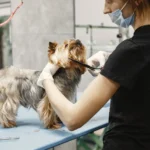
It can be. Clippers, dryers and strange hands stress dogs who were not introduced slowly. Is dog grooming stressful for dogs? Often yes at first, then less if the room uses breaks and you practise handling at home. Panic that makes a full clip unsafe is a plan change, not a character flaw.
Stress doesn’t mean grooming is cruel or unnecessary. It means some dogs need a slower plan than a standard 60–90 minute drop-off slot allows.
Why grooming can be stressful
Common stressors during grooming include:
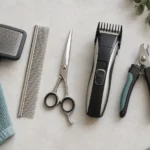
- Noise – Clippers and high-velocity dryers are loud and unfamiliar to many dogs.
- Handling – Being held, having paws and ears touched, and standing on a table can feel threatening if the dog isn’t used to it.
- Unfamiliar place and people – Salons are busy; other dogs can bark. A stranger doing the handling adds to the stress.
- Restraint – Groomers need to keep dogs still for safety; some dogs find this frightening.
- Past bad experience – A previous clip, nip, or scary event can make future grooms harder.
According to the RSPCA Australia, positive, low-stress handling helps dogs learn that grooming can be safe. For building that foundation, see how to prepare your dog for first grooming.
Signs of stress: mild to severe
| Sign of stress | What it can look like |
|---|---|
| Mild | Panting, trembling, avoiding eye contact, lip licking |
| Moderate | Trying to move away, whining, freezing, wide eyes |
| Severe | Snapping, growling, biting, thrashing; dangerous for dog and groomer |
After a stressful groom, some dogs sleep deeply or act clingy for a few hours. That’s different from ongoing fear. See dog acting weird after grooming for typical recovery times.
Lip licking and a tucked tail on arrival is information. Vomiting, snapping, or shutting down every visit is a plan-change, not a personality. Mild stress can improve with quieter slots. Severe stress needs a split groom or a vet conversation, not a pep talk in the car park.
What helps reduce stress
- Early, positive introduction – Puppy orientation and gentle first grooms build good associations. See when to take your puppy to the groomer for the first time.
- Preparation at home – Get your dog used to handling and to the sound of clippers or a dryer.
- Calm, patient groomer – Choose someone who works slowly, uses treats, and doesn’t use harsh restraint. See how to choose a dog groomer.
- Mobile grooming – One dog, one groomer, no busy salon floor. See mobile vs salon grooming.
- Salon etiquette – Many groomers prefer owners wait outside; see should I stay when my dog is groomed.
- Shorter or split sessions – Some dogs do better with a bath one day and a clip another.
- Sedation (when necessary) – For dogs too dangerous or distressed to groom safely, sedation prescribed by a vet can be an option. See sedating a dog for grooming.
When to worry
If your dog shows severe fear or aggression (growling, snapping, biting) at the groomer, don’t force the groom. Work with a vet or behaviourist and consider sedation for grooming only after a professional assessment. Pushing through can make the dog more fearful and put the groomer at risk.
Worry when the recovery at home is worse than the table time: hiding for hours, refusing water, or screaming on the next lead-up. That’s not “they always nap after”. Change the groomer or the format before you add sedation as a habit.
Salon vs mobile stress in Australian suburbs
Inner-city salons often run multiple dogs through dryers at once; that’s efficient but loud. Mobile vans in Perth or Adelaide suburbs can feel calmer because there’s no waiting room full of barking, though generator noise and van movement are their own triggers. Neither format is automatically low-stress, so match the setup to your dog’s history.
If you’ve tried two salons and stress hasn’t improved, ask whether a shorter bath-only visit or split sessions (nails one week, full groom the next) is possible. Many indie groomers will work with you when you’re honest about past reactions.
What a lower-stress booking looks like in practice
Ask for a quieter drop-off window, one dog at a time if the salon can do it, and a shorter first session that stops while your dog is still coping. Mobile vans often help because there’s no kennel row.
Tell the groomer what triggers your dog (dryer noise, nail work, being lifted) so they can sequence the easy steps first. If the coat is badly matted, a welfare clip in stages beats one marathon that overwhelms them. Rebook before the coat falls apart again so each visit stays shorter.
Looking for a calm, patient groomer?
Find a groomer who specialises in anxious dogs or offers mobile grooming for a lower-stress experience.
Stress drops with the right room. Prefer calm profiles on St Kilda and Sydney like Shaggy Doo Mobile Dog Grooming, Groomed by Tana, My Favourite Dog Grooming salon.
Frequently Asked Questions
Is grooming stressful for every dog?
No. Many dogs find the noise and handling unfamiliar at first, but a calm groomer and regular visits usually make it routine. Puppies that start early tend to cope best.
How can I make grooming less stressful?
Build positive associations at home, choose a patient groomer, and consider one-on-one mobile grooming for nervous dogs.
When should I worry about grooming stress?
If your dog shows extreme fear, panic or aggression, talk to your vet before the next appointment rather than pushing through it.
By Dog Grooming Australia Team
Looking for local businesses?
Browse verified listings across Australia with current hours, reviews and contact details.
Related guides



Need a local listing?
Browse verified businesses in our directory or read more guides on the blog.
Find groomers All guides