Category Dog Care
Spoodle Grooming Australia: Coat Care, Cuts and What Owners Get Wrong
Spoodle grooming in Australia usually means a full clip or scissor finish every six to eight weeks, with brushing at home two…
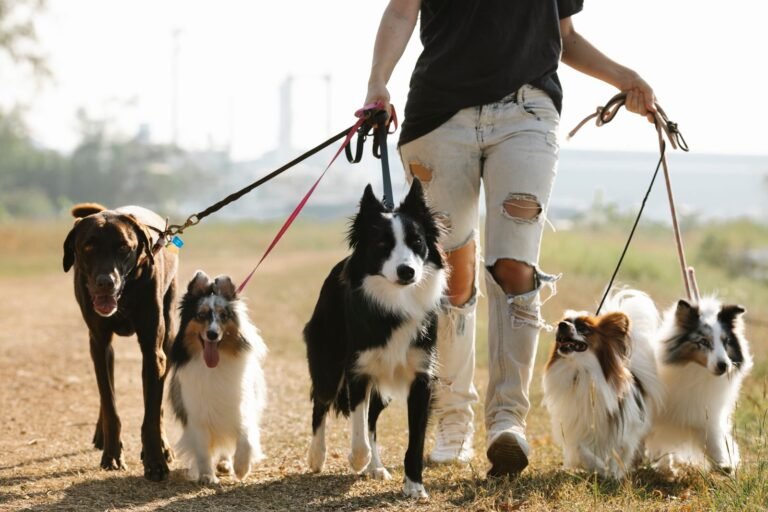
Mobile Dog Grooming Brisbane: Costs, Coverage and When It Fits
Mobile dog grooming brisbane typically costs about $10–$25 more than a comparable salon full groom, for a driveway visit and one dog…
Labradoodle Grooming Cost Australia: What Owners Actually Pay
A medium adult Labradoodle full salon groom in Australia often sits about $95–$160, or $110–$180 if a van comes to you. Labradoodle…
Groodle Grooming Australia: Coat Care, Cuts and Cost
Groodle grooming (Golden Retriever × Poodle mixes) sits in the same oodle family as Labradoodles and Cavoodles: coats keep growing, mats form…

What Is a Dog Hydrobath? Australia Guide for Owners
A dog hydrobath is a raised tub with warm water jets (and often a handheld sprayer) used to soak, rinse and massage…

How Often Should You Groom a Poodle in Australia?
Adult Poodles in Australia usually need a professional clip every 4–6 weeks. How often to groom a poodle australia follows hair growth,…
What If Your Dog Is Anxious at the Groomer? Options That Help
A dog anxious at groomer tables does not have to keep having miserable visits. Quieter vans, shorter or split sessions, and low-stress…

How to Calm Your Dog Before Grooming: Practical Steps That Work
Tire them lightly, keep the morning boring, and tell the groomer about dryer or nail fears before you arrive. How to calm…
How Often Should You Groom a Labrador in Australia?
Most Labradors need a bath and deshed every 8–12 weeks, plus extra brushing in spring shed. How often to groom a Labrador…

How Often Should You Groom a Cavoodle in Australia?
Book a Cavoodle clip every 4–6 weeks and brush to the skin between visits. How often to groom a Cavoodle in Australia…
Dog Grooming Summer Coat Care in Australia: Heat, Shedding and Safe Trims
Dog grooming summer coat care in Australia should focus on deshedding, hygiene trims, and coat length that still protects skin, not automatic…
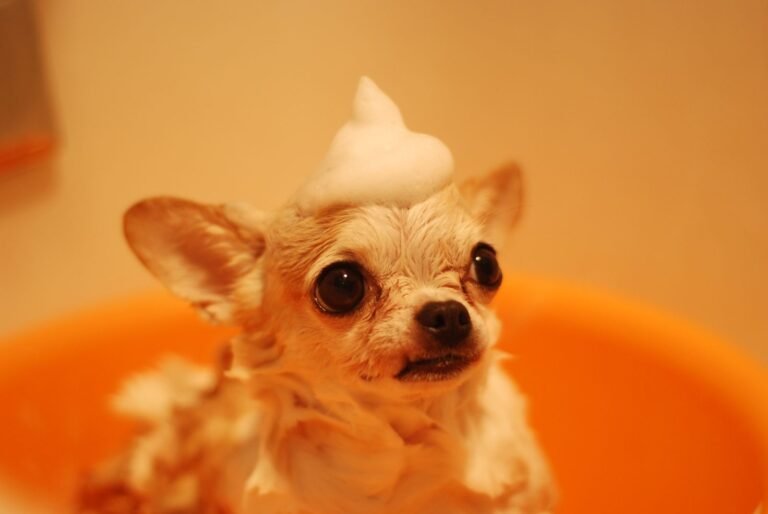
Why Does My Dog Smell After Grooming? Causes and What to Do
Your dog can smell after grooming due to wet coat, anal glands, ear or skin issues, or strong products. Learn the causes and when to see a vet.
When to Take Puppy to Groomer First Time: Age, Vaccinations & Timing
Take your puppy to the groomer for the first time after vaccinations are complete (usually 12–16 weeks). Learn why timing matters and what the first visit involves.
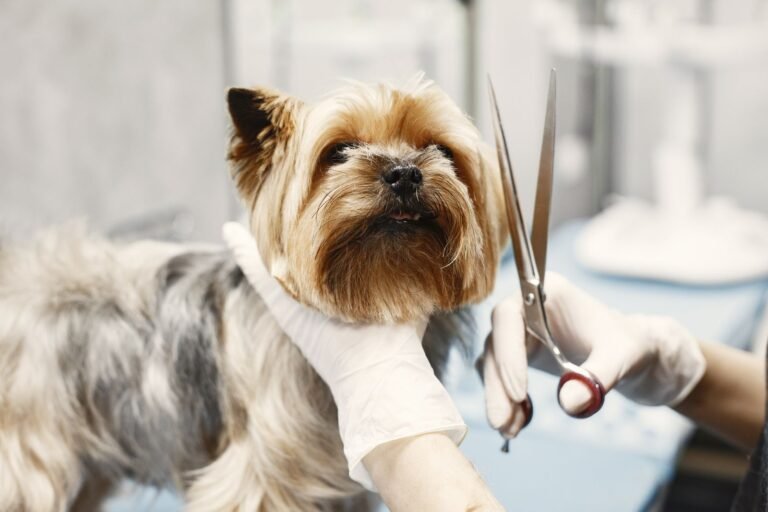
What to Expect First Time at Dog Groomer: Timeline and Tips
First time at the dog groomer? Expect a meet-and-greet, gentle handling, bath, dry, and light trim. Typical timeline and how to prepare.

Signs Your Dog Needs a Groom: When to Book Sooner
Signs your dog needs a groom: matting, smell, visible dirt, overgrown nails, tear stains, and difficulty brushing. Learn when to book before the next scheduled visit.

Should I Stay When My Dog Is Groomed? What Salons Prefer and What Helps Your Dog
Most groomers ask owners to wait outside so dogs focus and stay safe. Learn when staying nearby helps, when it backfires, and how to prepare your dog instead.
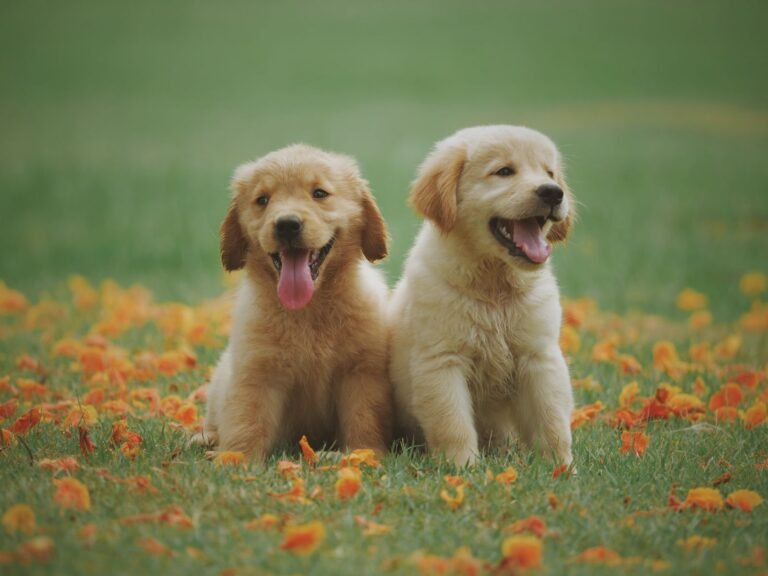
Should You Shave a Double-Coated Dog in Winter? Australian Weather, Warmth, and Coat Science
Heading into Australian winter, shaving Huskies, Golden Retrievers, or Labs for less mud or fluff weakens natural insulation. Learn winter-safe grooming.

Sedating Your Dog for Grooming: Risks, Alternatives, and When It’s Necessary
Sedating dogs for grooming has serious risks. Mobile grooming is the best alternative for anxious dogs. Learn when sedation is necessary vs when to try other options.
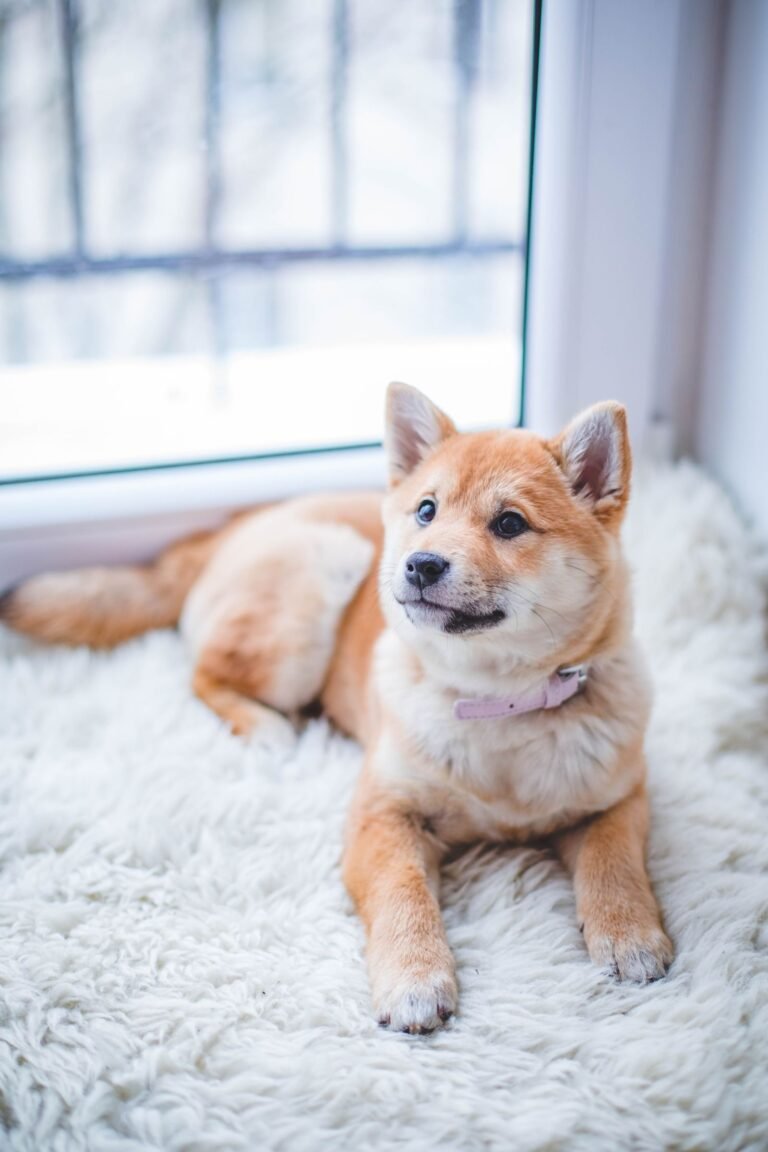
Puppy Grooming: When to Start, What to Expect, and First Groom Guide
Start puppy grooming after vaccinations (12-16 weeks). The first groom is a 'puppy orientation' to introduce tools and sounds. Learn what to expect and how to prepare.
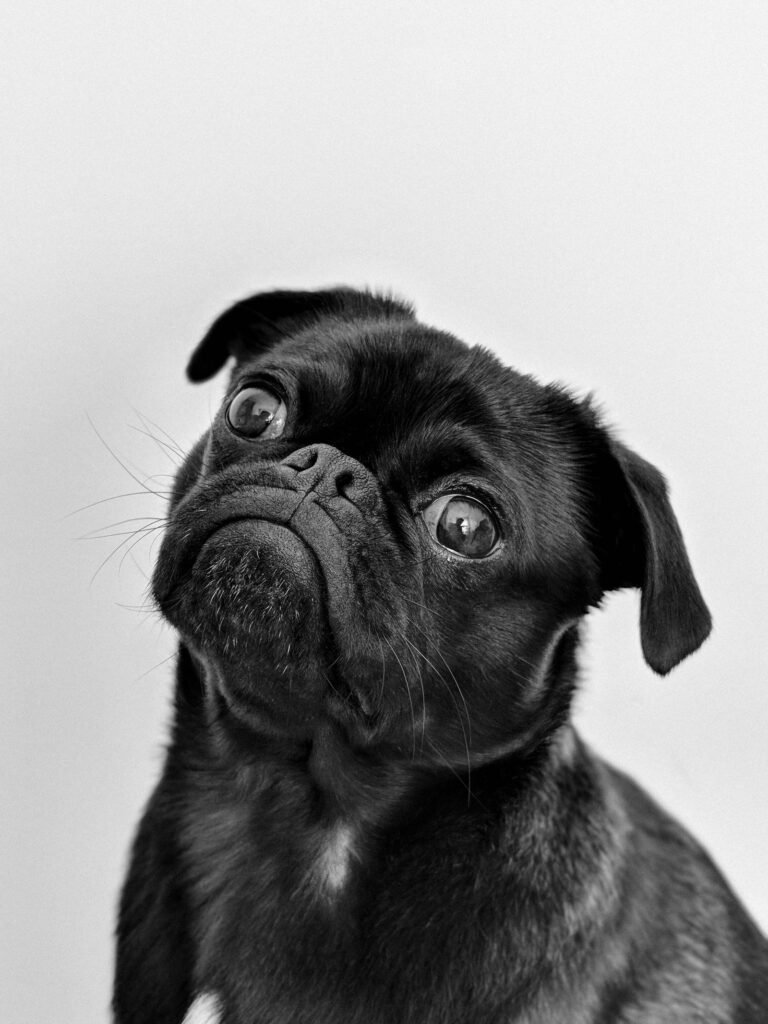
Is Dog Grooming Stressful for Dogs? What Helps and When to Worry
Dog grooming can be stressful for some dogs due to noise, handling, and unfamiliar places. Many adapt with positive exposure; others need calm groomers, mobile options, or sedation.