How Often to Groom Double-Coated Dogs in Australia
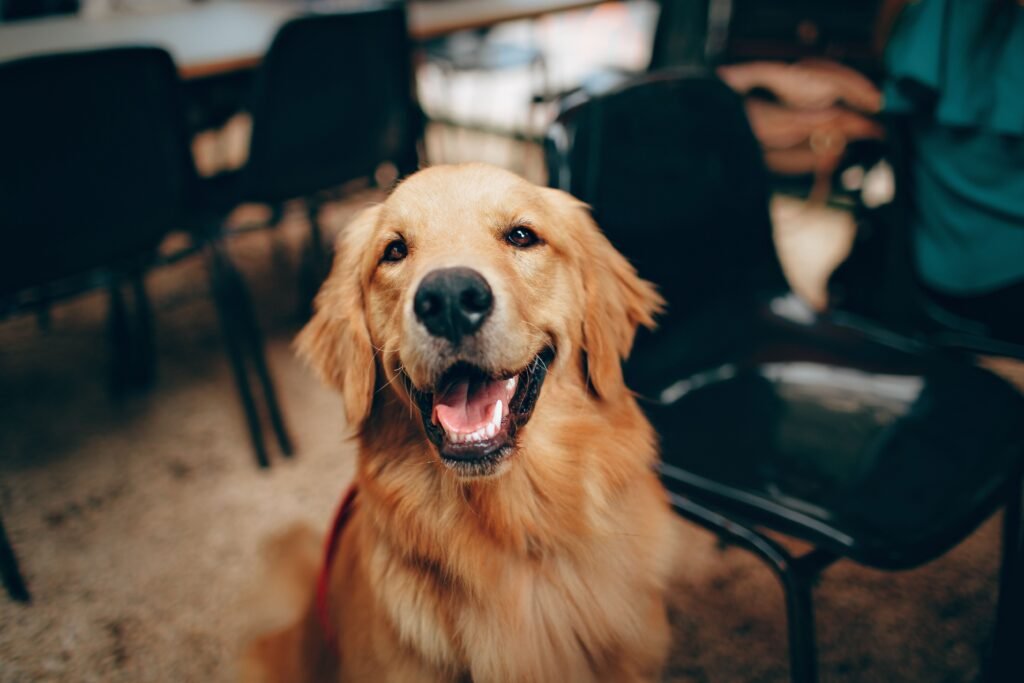
Brush a double-coated dog two to three times a week, daily when the undercoat is blowing in spring or autumn, and book a professional deshed about every 8–12 weeks. That covers Labs, Goldens, Huskies, German Shepherds and similar coats. Shaving for Australian summer is almost always a bad idea: you lose UV protection and the coat’s insulating air layer, so many dogs end up hotter, not cooler.
What Is a Double Coat?
A double coat consists of two distinct layers:
- Guard hairs (outer coat). Long, coarse hairs that repel water, dirt, and UV radiation. These provide the breed’s colour and texture.
- Undercoat. Dense, soft fur close to the skin that regulates body temperature by trapping air for insulation in winter and releasing heat in summer.
Common double-coated breeds in Australia include:
- Labrador Retrievers
- Golden Retrievers
- Siberian Huskies
- Alaskan Malamutes
- German Shepherds
- Australian Shepherds
- Border Collies
- Corgis
- Pomeranians
- Samoyeds
These breeds evolved in climates where temperature regulation was crucial. The double coat is a functional system, not just aesthetic.
Grooming Schedule for Double-Coated Dogs
The frequency of grooming depends on the task and the season. Here’s a practical schedule:
| Grooming Task | Frequency | Notes |
|---|---|---|
| Home brushing | 2–3 times per week | Daily during shedding season (spring/autumn) |
| Professional deshedding | Every 8–12 weeks | More often during heavy shedding seasons |
| Bathing | Every 6–10 weeks | More often if swimming or getting dirty; less if dry-skinned |
| Nail trimming | Every 3–4 weeks | More often for less active dogs |
| Ear cleaning | Weekly check, clean as needed | Important for floppy-eared breeds like Labs and Goldens |
| Sanitary trim | Every 8–12 weeks | Part of professional grooming; keeps hygiene areas clean |
Australian conditions affect grooming frequency. Dogs swimming regularly in pools or the ocean need more frequent baths to remove salt and chlorine. Dogs in dusty rural areas may need more brushing to prevent dirt buildup.
Understanding Seasonal Shedding
Double-coated dogs undergo major shedding events twice a year, called “blowing coat.” This happens during:
- Spring (September–November). Dogs shed their winter undercoat as temperatures rise.
- Autumn (March–May). Dogs shed summer coat and grow thicker undercoat for winter.
During these periods, expect dramatic increases in shedding. What looks like an alarming amount of fur is normal. The undercoat sheds in clumps, and you’ll be brushing out handfuls of fluff daily.
Even in Australia’s generally mild climate, double-coated breeds follow these seasonal patterns. The triggers are daylight hours and temperature changes, not necessarily extreme cold.
What Happens During a Professional Deshedding Treatment
Professional groomers offer deshedding services specifically for double-coated breeds. A typical deshedding treatment includes:
- Thorough brushing. Using undercoat rakes and slicker brushes to loosen dead fur.
- Bath with deshedding shampoo. Helps release more undercoat and conditions the skin.
- High-velocity drying. A powerful dryer blows loose undercoat out while drying the dog. This is the most effective deshedding step.
- Final brush-out. Removes any remaining loose fur and checks for mats.
- Sanitary and tidy trim. Light trimming around paws, rear end, and ears for hygiene and comfort.
A professional deshedding treatment removes far more undercoat than home brushing alone. The high-velocity dryer is key because it reaches deep into the coat and removes fur that regular brushing misses.
After a good deshedding session, shedding at home reduces significantly for several weeks. Book these treatments every 8–12 weeks, with extra sessions during spring and autumn blowouts.
Home Grooming Tools for Double-Coated Breeds
Effective home grooming requires the right tools:
- Undercoat rake. Metal teeth penetrate to the undercoat and pull out loose fur. Essential during shedding season.
- Slicker brush. Removes loose topcoat fur and detangles.
- Metal comb. Checks for remaining mats and tangles, especially behind ears and under legs.
- Deshedding tool (e.g., Furminator). Effective but use sparingly. Overuse can damage the topcoat.
- High-quality dog shampoo. Choose formulas for double coats or sensitive skin. Avoid human shampoo.
Brush in the direction of hair growth, working in sections. Pay attention to areas prone to matting: behind ears, under collar, armpits, and rear legs.
Should You Ever Shave a Double-Coated Dog?
No. Shaving a double-coated dog is almost never appropriate and can cause permanent damage.
Many Australian owners ask about shaving their double-coated dogs during summer, thinking it will keep them cooler. This is a myth. Here’s why shaving is harmful:
Temperature Regulation Damage
The undercoat doesn’t just insulate against cold. It creates an air layer that insulates against heat too. When you shave a double-coated dog:
- You remove their natural cooling system.
- Direct sun exposure makes them hotter, not cooler.
- They lose protection from UV radiation, risking sunburn and skin cancer.
Coat Damage
Shaving disrupts the coat growth cycle. Problems include:
- Uneven regrowth. The undercoat may grow back faster than guard hairs, creating a woolly, matted texture.
- Colour changes. The coat may grow back lighter or patchy.
- Post-clipping alopecia. In some cases, fur doesn’t regrow properly, leaving permanent bald or sparse patches.
- Texture changes. The coat may never return to its original condition.
Skin Protection Loss
The topcoat protects skin from:
- Insect bites (mosquitoes, ticks, flies)
- Scratches and abrasions
- Dirt and allergens
- Moisture that can cause bacterial or fungal infections
Australian conditions make this protection particularly important. Bush walks, beach visits, and backyard play all expose dogs to environmental hazards that the coat guards against.
Rare Exceptions
The only times shaving may be necessary:
- Severe matting. If the coat is completely matted to the skin and cannot be brushed out, shaving may be the only humane option. This is preventable with regular grooming.
- Medical procedures. Surgery or treatment of skin conditions may require shaving specific areas.
- Veterinary advice. In extremely rare cases, a vet may recommend shaving for specific health reasons.
Even in these cases, only shave the minimum necessary area and allow the coat to regrow naturally.
Keeping Double-Coated Dogs Cool in Australian Summer
If shaving isn’t the answer, how do you keep double-coated breeds comfortable in Australian heat?
- Maintain a clean, mat-free coat. Mats trap heat and prevent airflow. Regular brushing is essential.
- Provide shade and water. Always ensure access to shaded areas and fresh water.
- Use air conditioning. When temperatures exceed 30°C, keep dogs inside with cooling.
- Offer cooling mats or paddling pools. Many double-coated breeds love water and will cool off happily.
- Avoid midday exercise. Walk early morning or evening when temperatures are lower.
- Watch for heat stress. Heavy panting, drooling, lethargy, or vomiting are warning signs. Seek vet care immediately.
A properly maintained double coat actually helps with cooling. The key is keeping it clean and free of mats so air can circulate.
Special Considerations for Different Double-Coated Breeds
While the basic principles apply to all double-coated dogs, some breeds have specific needs:
Huskies and Malamutes
These breeds have exceptionally thick undercoats designed for arctic conditions. In Australia:
- They shed heavily twice a year and moderately year-round.
- Consider professional deshedding every 6–8 weeks, not 12.
- Never exercise in heat; they’re prone to heat stress.
- They may be uncomfortable in tropical regions even with proper care.
Labradors and Golden Retrievers
These breeds have water-resistant coats that benefit from:
- Regular swimming, which they love (rinse after salt or chlorine exposure)
- Extra attention to ear cleaning due to floppy ears that trap moisture
- Deshedding every 8–12 weeks, with more frequent brushing during seasonal sheds
See our detailed guide on Golden Retriever grooming in Australia for breed-specific advice.
German Shepherds
German Shepherds are constant shedders with intense seasonal blowouts:
- Brush at least 3 times per week, daily during shedding season
- Professional deshedding every 8–10 weeks
- Watch for skin issues under their dense coat
Border Collies and Australian Shepherds
These working breeds often have longer coats prone to matting:
- Brush 3–4 times per week minimum
- Check for grass seeds and burrs after outdoor work or play
- Trim feathering on legs and rear if it collects debris
Finding a Groomer Who Understands Double Coats
Not all groomers have experience with double-coated breeds. When choosing a groomer, ask:
- “Do you offer deshedding treatments for double-coated breeds?”
- “What do you think about shaving Huskies or Golden Retrievers for summer?” (The correct answer is that it’s harmful.)
- “What tools do you use for undercoat removal?”
- “How long does a typical deshedding appointment take?” (It should be longer than a standard bath and brush.)
A knowledgeable groomer will explain why shaving is inappropriate and focus on proper coat maintenance instead. Find experienced groomers in your area via our Australia-wide dog grooming directory.
Frequently Asked Questions
How often should I brush my double-coated dog?
Two to three times per week during normal periods, daily during spring and autumn shedding seasons. Consistent brushing prevents mats and reduces shedding in your home.
Can I shave my Husky or German Shepherd for summer?
No. Shaving double-coated dogs disrupts their temperature regulation and can cause permanent coat damage. The double coat actually helps them stay cool when properly maintained. Provide shade, water, and air conditioning instead.
Why does my dog still shed after professional grooming?
Double-coated dogs shed continuously, though less heavily between seasonal blowouts. Professional deshedding removes loose undercoat and reduces shedding for several weeks, but it doesn’t stop it entirely. Regular home brushing between professional grooms helps manage ongoing shedding.
What’s the difference between deshedding and regular grooming?
Regular grooming includes bathing, brushing, nail trimming, and ear cleaning. Deshedding is a specialised service that uses high-velocity dryers and undercoat rakes to remove large amounts of loose undercoat. Deshedding takes longer and costs more but is essential for double-coated breeds.
Is it normal for my Lab to shed huge amounts in spring?
Yes. This is called “blowing coat” and is a natural seasonal shed where dogs lose their winter undercoat. It typically lasts 2–4 weeks. Daily brushing and a professional deshedding treatment help manage the volume. The same thing happens in autumn when they transition to winter coat.
Can I bathe my double-coated dog at home?
Yes, but it takes time. Thoroughly wet the coat to the skin (it’s water-resistant, so this can take a while), use appropriate shampoo, rinse completely, and dry thoroughly. Leaving a double coat damp can cause skin issues. Many owners prefer professional bathing because groomers have high-velocity dryers that remove water and loose undercoat simultaneously.
Need a local listing?
Browse verified businesses in our directory for hours and contact details, or read more guides on the blog when you want coat-care and booking context first.
Find groomers All guides