What Is Hand Stripping in Dog Grooming? Breeds, Process, and When Clipping Is Better
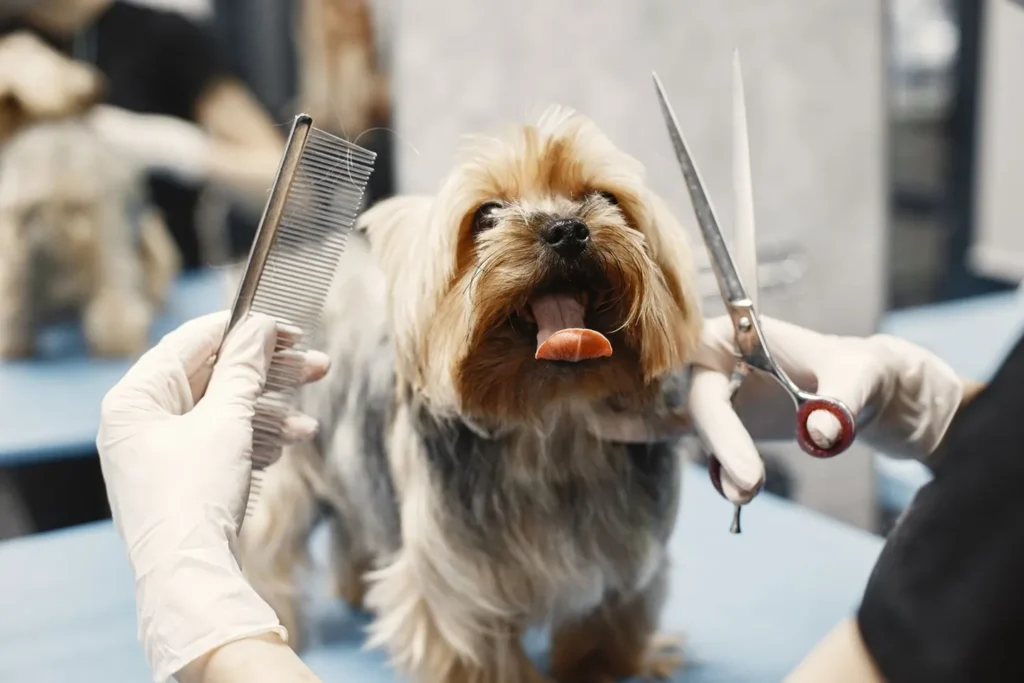
Hand stripping pulls dead outer coat on wire-haired breeds instead of cutting it with clippers. What is hand stripping in dog grooming? A slower, coat-texture job used on many terriers and schnauzers. Most Oodles are clipped, not stripped.
If you own a terrier, some sporting breeds, or another dog with a coat that grows in cycles, you may have heard groomers mention stripping. This guide explains what hand stripping is, how it differs from clipping, which dogs are candidates, and how to choose between techniques with your groomer’s help.
Definition: what is hand stripping in dog grooming?
Hand stripping targets the guard hairs of the outer coat once they’ve loosened in the follicle. When timed correctly, those hairs release with minimal discomfort, similar to how dead coat sheds naturally but in a controlled way. The undercoat can be raked or brushed separately depending on the breed and coat condition.
Common tools include rubber finger brushes, stripping knives with dull edges (they pull rather than cut), and thumb and forefinger work on detailed areas. The process is skilled work: the groomer must read coat cycles, avoid breaking healthy hair, and keep skin safe.
Hand stripping vs clipping
| Factor | Hand stripping | Clipping |
|---|---|---|
| Best for | Wire-coated breeds shown or kept in traditional coat | Pet trims, very matted coats, many mixed breeds |
| Coat texture | Preserves harsh outer coat and colour depth | Often softens wire coat over repeated clips |
| Time and skill | Usually slower; requires advanced training | Faster for full pet grooms; widely available |
| Comfort | Must be done on ready-to-release coat; poorly timed stripping hurts | Low risk when blades are clean and skin is healthy |
Neither method is “wrong” for every dog. Many pets are clipped for convenience, welfare (heavy matting), or owner preference. Hand stripping is primarily about coat health and breed-appropriate finish when the dog’s coat type supports it.
Which dogs are commonly hand stripped?
Breeds frequently discussed in relation to stripping include several terriers (for example Border, Cairn, Welsh, Wire Fox), Schnauzers, some Spaniels and Setters in show coat, and other wire-haired breeds. Puppies and young adults may need a gentler introduction; older dogs sometimes transition to clipping if stripping becomes stressful or skin more delicate.
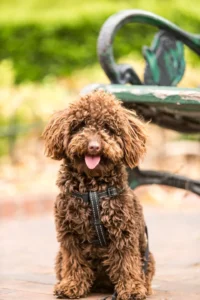
Important: Dogs bred for soft or continuously growing coats (such as many Poodle crosses) aren’t candidates for traditional hand stripping. Always follow your groomer’s assessment.
Wire Fox Terriers, Schnauzers kept in coat, and some Airedales are the usual Australian clients. A Groodle is not. If a salon offers to “hand strip” a Spoodle, they’re confusing texture. Clip and scissor that coat. Save stripping for wire that actually comes out in the fingers.
How often is hand stripping done?
Timing follows coat cycle, not just calendar weeks. Many wire-coated pets are stripped on a rolling schedule (certain sections each visit) or every several weeks when new dead coat is ready. If your dog is clipped rather than stripped, our guide on how long between dog grooms covers typical intervals. Your groomer can combine stripping with brushing, tidying, nail care, and ear cleaning; see what is included in dog grooming for a full-service overview.
Often every 8–12 weeks depending on growth, not on a doodle’s 5-week clip cycle. Rolling the coat in sections can mean shorter, more frequent visits. Ask whether they strip the whole dog in one session. That’s a long table time for a terrier that hates standing.
Welfare and choosing a groomer
The RSPCA Australia emphasises regular grooming for health and comfort. Hand stripping should never be forced through a coat that isn’t releasing; that causes unnecessary pain. A qualified groomer will refuse unsafe requests, which is a sign of professionalism, not inconvenience.
When booking, ask whether the groomer routinely strips your breed, how they introduce puppies to handling, and what they recommend if your dog has sensitivities. Our guide on how to choose a dog groomer walks through questions worth asking any salon or mobile professional.
Summary
Hand stripping in dog grooming means pulling dead outer guard hairs, usually on wire-coated breeds, to maintain correct texture and colour. It differs from clipping, which cuts coat and can soften harsh coats over time. The right approach depends on breed, coat cycle, pet lifestyle, and welfare. Work with an experienced groomer to decide whether stripping, clipping, or a blended routine suits your dog.
Book a coat assessment
Find a groomer who can advise whether hand stripping or a clip is right for your dog’s breed and lifestyle.
Frequently Asked Questions
How often does a wire-coated dog need hand stripping?
Most wire-coated breeds are hand stripped every 4 to 8 weeks when “rolling” the coat, or as a full strip every few months, depending on the breed and coat stage.
Can I hand strip my dog at home?
Light maintenance is possible with the right technique, but a full strip is skilled work. A groomer experienced in hand stripping protects both the coat and the dog’s comfort.
Does hand stripping hurt the dog?
Done correctly on the right coat it shouldn’t hurt, because mature hairs release easily. Clipping is the gentler option for dogs that find stripping uncomfortable.
By Dog Grooming Australia Team
Looking for local businesses?
Browse verified listings across Australia with current hours, reviews and contact details.
Related guides
Need a local listing?
Browse verified businesses in our directory or read more guides on the blog.
Find groomers All guides