Sedating Your Dog for Grooming: Risks, Alternatives, and When It’s Necessary

Only a veterinarian should sedate dog for grooming. It is not a salon add-on. Risks include breathing depression and, rarely, death. For anxious dogs, try split visits, mobile, or fear-free handling before anyone talks about drugs.
Drugs in the salon are not a service add-on. For everyday handling welfare, start with RSPCA dog advice and a low-stress groomer, not a tablet in the car park.
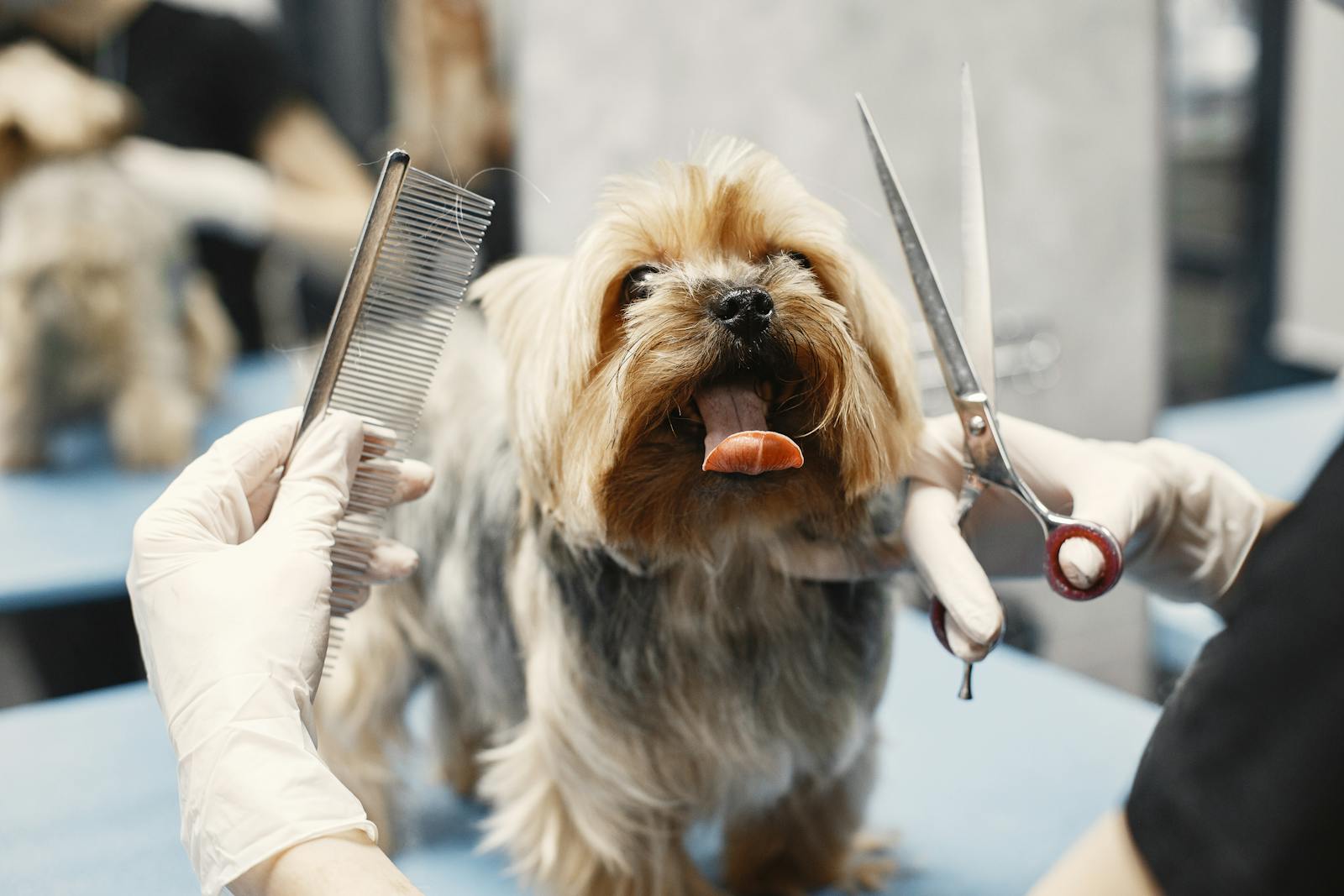
If your dog panics at the sight of clippers, or if you’ve been told they need sedation to be groomed, you’re right to worry about the risks. Sedation is serious business that should never be taken lightly.
The risks of sedation
A vet still has to assess the dog before any sedative. These risks are why:
| Risk | Severity | What happens |
|---|---|---|
| Allergic reaction | Rare but serious | Swelling, difficulty breathing |
| Breathing problems | Moderate | Breathing slows, requires emergency help |
| Heart issues | Moderate to severe | Irregular heartbeat, low blood pressure |
| Long recovery | Common | Dog remains groggy for hours, can be confused |
| Death | Rare but possible | Serious reactions are uncommon but real; a vet weighs each dog’s risk |
Higher risk factors: senior dogs (over 10 years), heart, kidney, or liver conditions, brachycephalic breeds (Pugs, Bulldogs), overweight dogs, and dogs with previous bad reactions to sedation.
Groomers must not drug the dog. That job stays with a licensed vet.
Why dogs get anxious during grooming
Understanding the reason for your dog’s anxiety helps you choose the right solution:
- Fear of other dogs – Salons can be loud with other dogs barking
- Fear of being in a cage – Being placed in a crate triggers panic in some dogs
- Loud noises – Dryers and clippers can be frightening
- Past trauma – A bad grooming experience can create lasting fear
- Separation anxiety – Being away from their owner causes stress
- Pain – Dogs with arthritis can react defensively to handling
Noise, restraint, and a history of being rushed. Some dogs also hurt: ears, nails, joints. Sedation doesn’t fix the history. It only makes this one visit possible. Try quieter format first. If you still need drugs, that’s a vet plan, not a Facebook tablet.
Mobile grooming: a better alternative for many dogs
For many anxious dogs, mobile dog grooming removes the triggers that cause panic:
| Anxiety trigger | Salon experience | Mobile grooming solution |
|---|---|---|
| Other dogs | Multiple dogs barking | Your dog is the only pet present |
| Cages | Dog waits in cage between steps | No cages, one-on-one attention throughout |
| Separation | Left alone for hours | You’re nearby at home |
| Environment | Unfamiliar salon setting | Groomer comes to your driveway |
One-on-one in the driveway removes the barking waiting room. It doesn’t remove clippers. Ask how they handle panic in a van, and whether they cage-dry. For a lot of anxious Australian dogs, the van is the step before anyone talks about sedation.
Other alternatives to sedation
Before considering sedation, try these options:
- Training – Gradually get your dog used to grooming tools at home
- Calming supplements – Natural options like calming chews (ask your vet first)
- Prescription medication – Short-acting calmatives from a vet (not groomer-supplied)
- Shorter sessions – Break the groom into multiple shorter visits
- Experienced groomer – A groomer who specialises in anxious dogs
- Positive reinforcement – Reward calm behaviour with treats
See fear free dog grooming explained and anxious dog at the groomer for non-drug approaches.
When sedation is necessary
Drug-based calming should only be considered when:
- Aggressive behaviour – Your dog has bitten or tried to bite groomers
- Severe anxiety – Your dog has a diagnosed condition that prevents safe grooming
- Medical grooming – Extreme matting removal that would be too painful awake
- Vet recommendation – Your vet has specifically recommended it
- Trying everything else – You’ve tried mobile grooming and training with no success
Drug-based calming should always be performed by a vet in a clinic with proper monitoring.
Necessary when coat care can’t wait and the dog will injure someone, including themselves. Severe mats, skin disease, and bite history are the usual cluster. It’s a clinic conversation. A groomer “who sometimes uses a little something” without a vet is a hard no.
Cost comparison
| Service | Cost | Risk level |
|---|---|---|
| Mobile grooming | $80-$160 | Low risk |
| Vet sedation + groom | $200-$500+ | Moderate to high risk |
| Anti-anxiety medication | $30-$80/month + groom cost | Low risk when vet-prescribed |
Vet-assisted grooms cost more than a salon slot. That’s the honest trade for safety. Compare it with the cost of an injury, not with a $90 tidy. If a cheaper mobile visit plus training can avoid sedation, that’s the bargain. If it can’t, pay the clinic.
Ready to book?
If your dog is anxious about grooming, mobile services can be a safer alternative to sedation. Browse verified mobile groomers in your area.
Frequently Asked Questions
Is it safe to sedate a dog for grooming?
The risks stay real even in healthy dogs. Use a vet, never a groomer. For most anxious dogs a calm, patient approach is safer than a tablet.
What can I try before sedation for an anxious dog?
Short, positive desensitisation at home, a groomer experienced with nervous dogs, and one-on-one mobile grooming usually reduce stress without medication.
When is sedation actually necessary?
Only for dogs with severe anxiety, pain or aggression where grooming cannot be done safely otherwise, and only when assessed and administered by a vet.
By Dog Grooming Australia Team
Need a local listing?
Browse verified businesses in our directory or read more guides on the blog.
Find groomers All guides